







Professional Grade Water Repellent
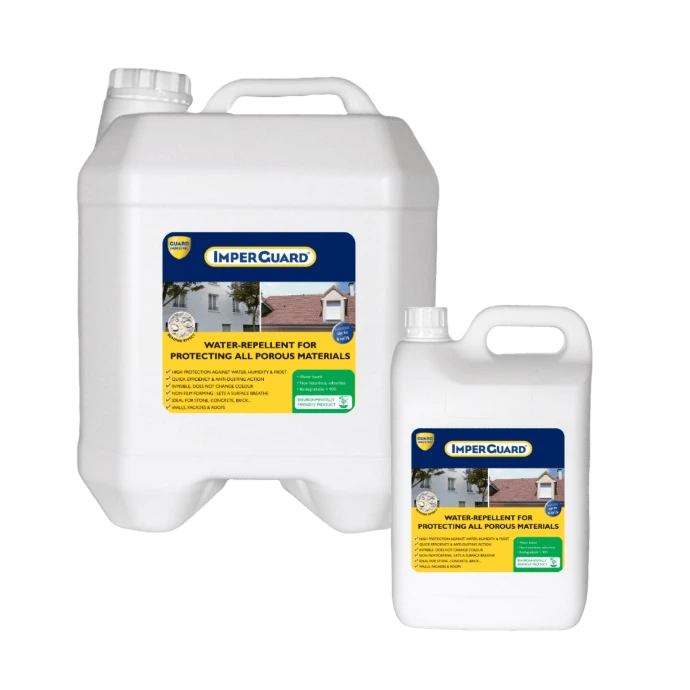
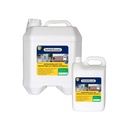
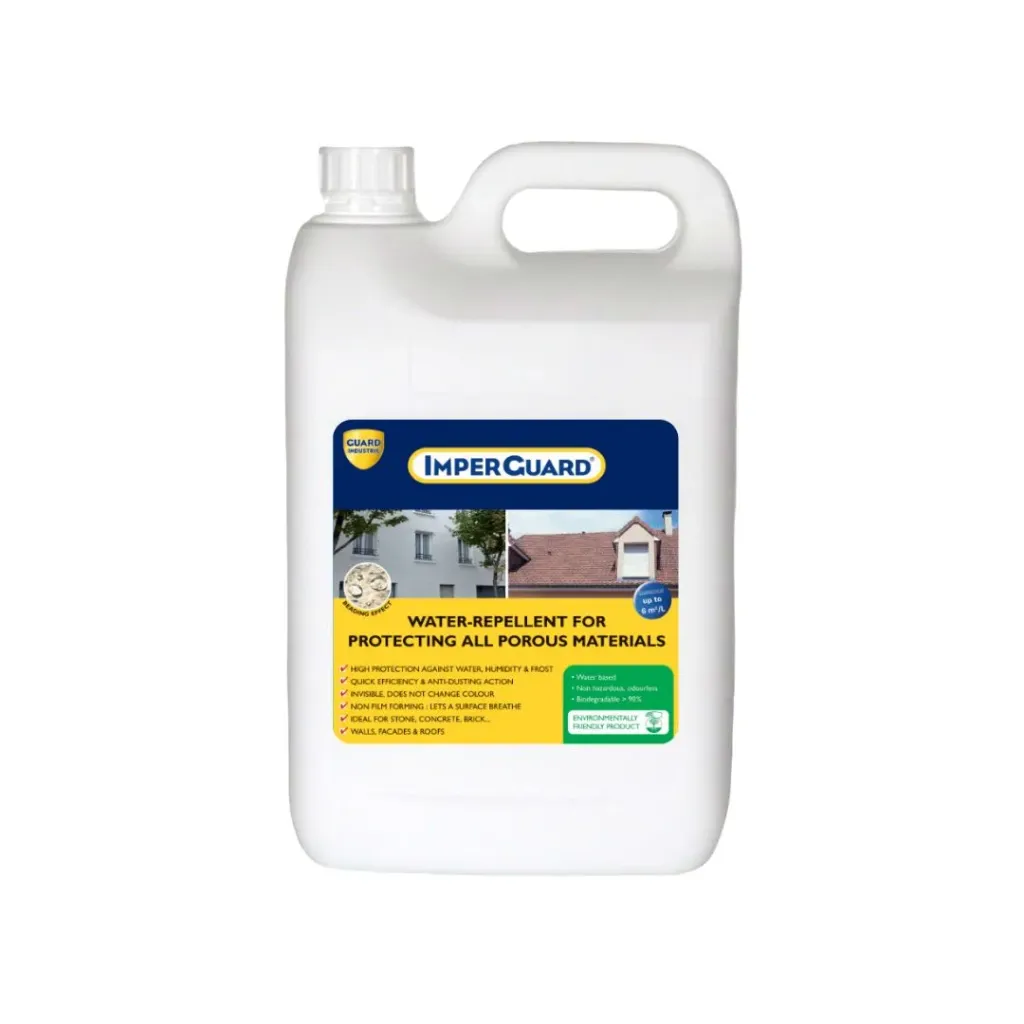
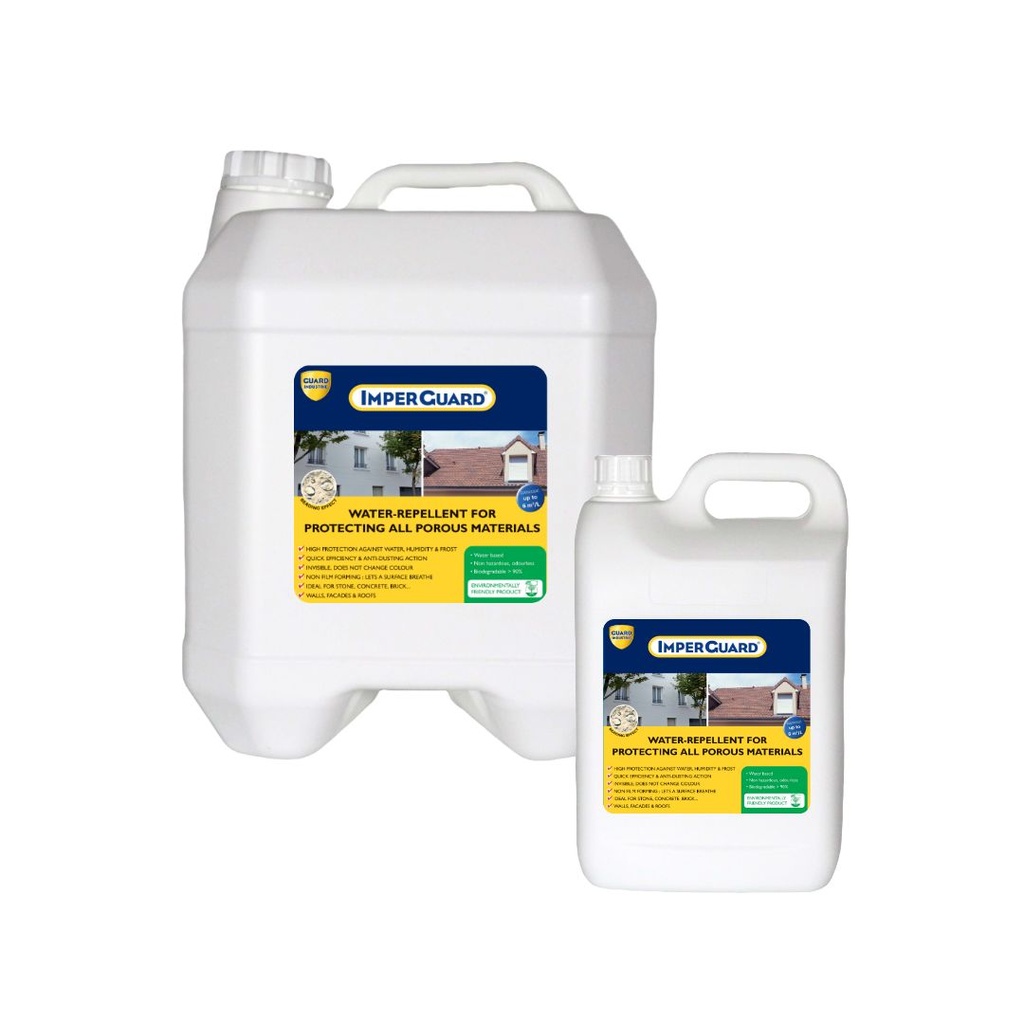
ImperGuard is a professional-grade water repellent sealer designed to protect porous building materials from moisture, erosion and biological growth. Ideal for use on concrete, brick, natural stone, render, and more – this penetrating sealer works fast and lasts over five years, all while maintaining the natural look of your surface.
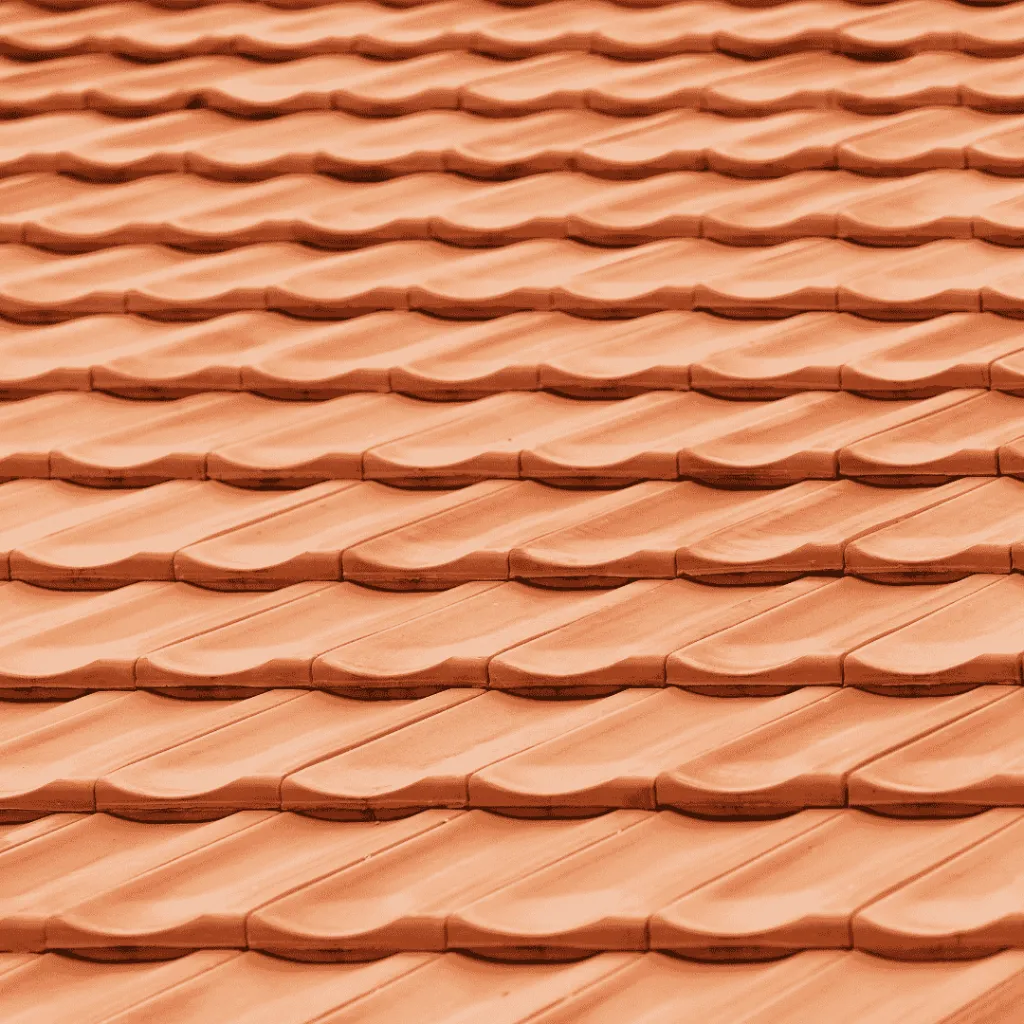
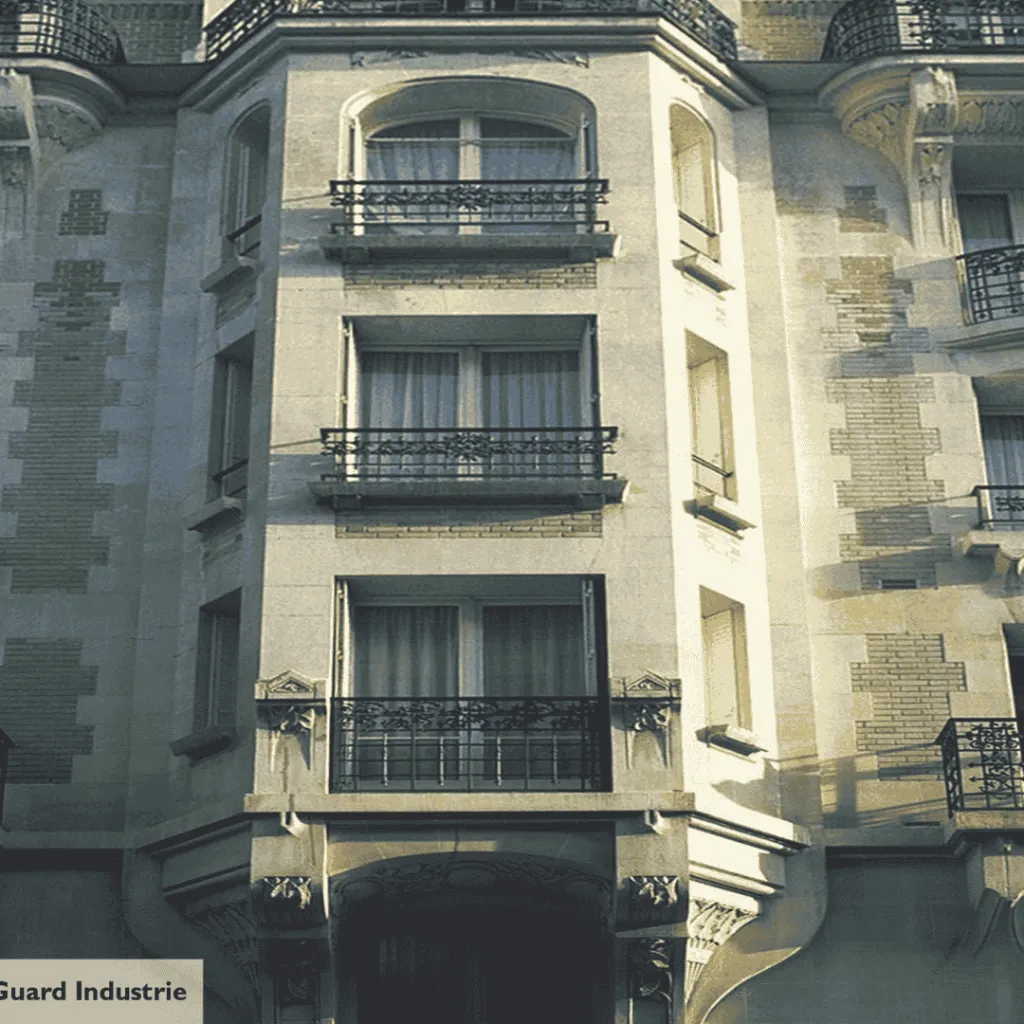
Whether you’re sealing a stone façade, concrete wall or terracotta roof tiles, ImperGuard provides invisible, breathable and long-term protection against water ingress, moss and lichen, frost damage, and efflorescence.
Key Features
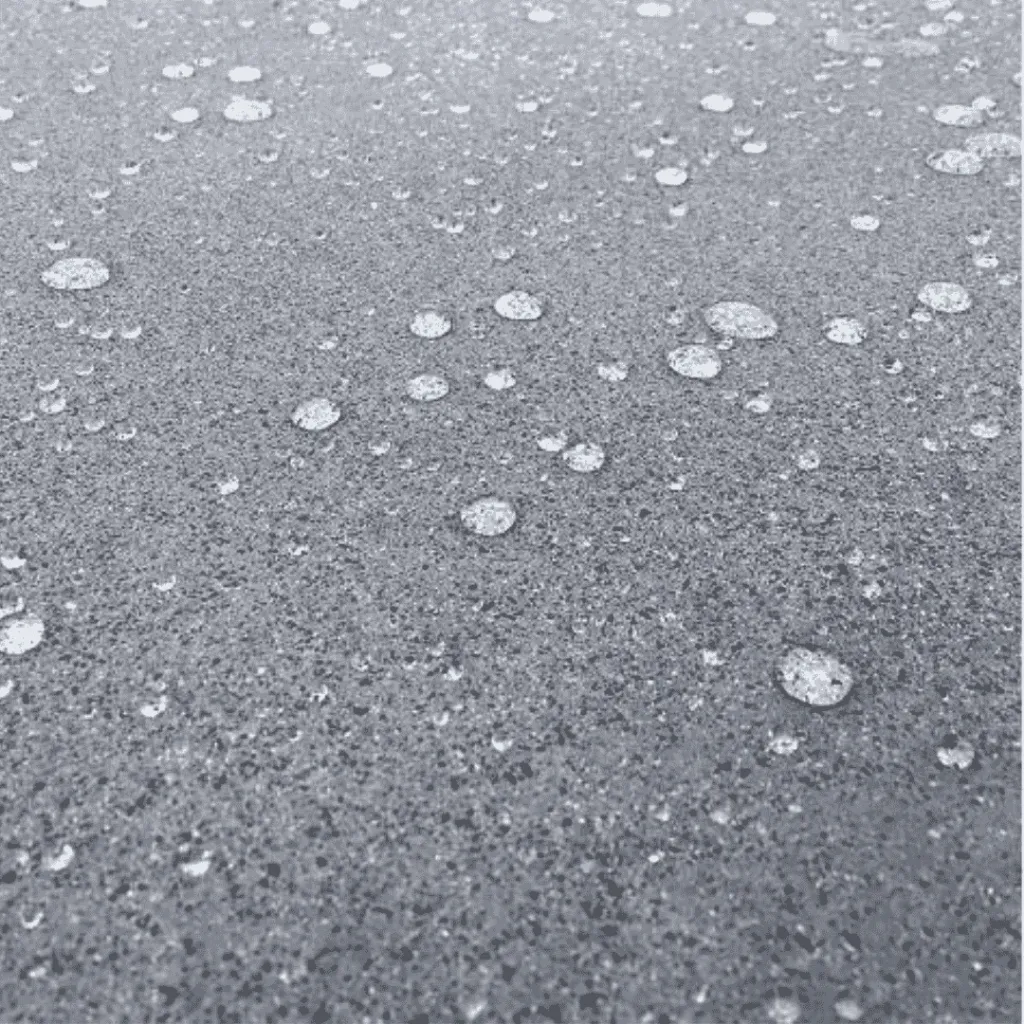
- Powerful water-repellent barrier – stops water penetration
- Quick performance – fully active in as little as 3 days
- Long-lasting durability – protects surfaces for over 5 years
- Breathable and non-film-forming – lets surfaces “breathe”
- Invisible finish – no colour change, no gloss
- UV-resistant – won’t yellow over time
- Anti-dusting effect – hardens surfaces and limits wear
- Eco-friendly – VOC-free, biodegradable and odourless
- Easy to apply – roller, sprayer or brush
ImperGuard is Perfect For...
- Natural stone
- Brickwork
- Cement render
- Concrete surfaces
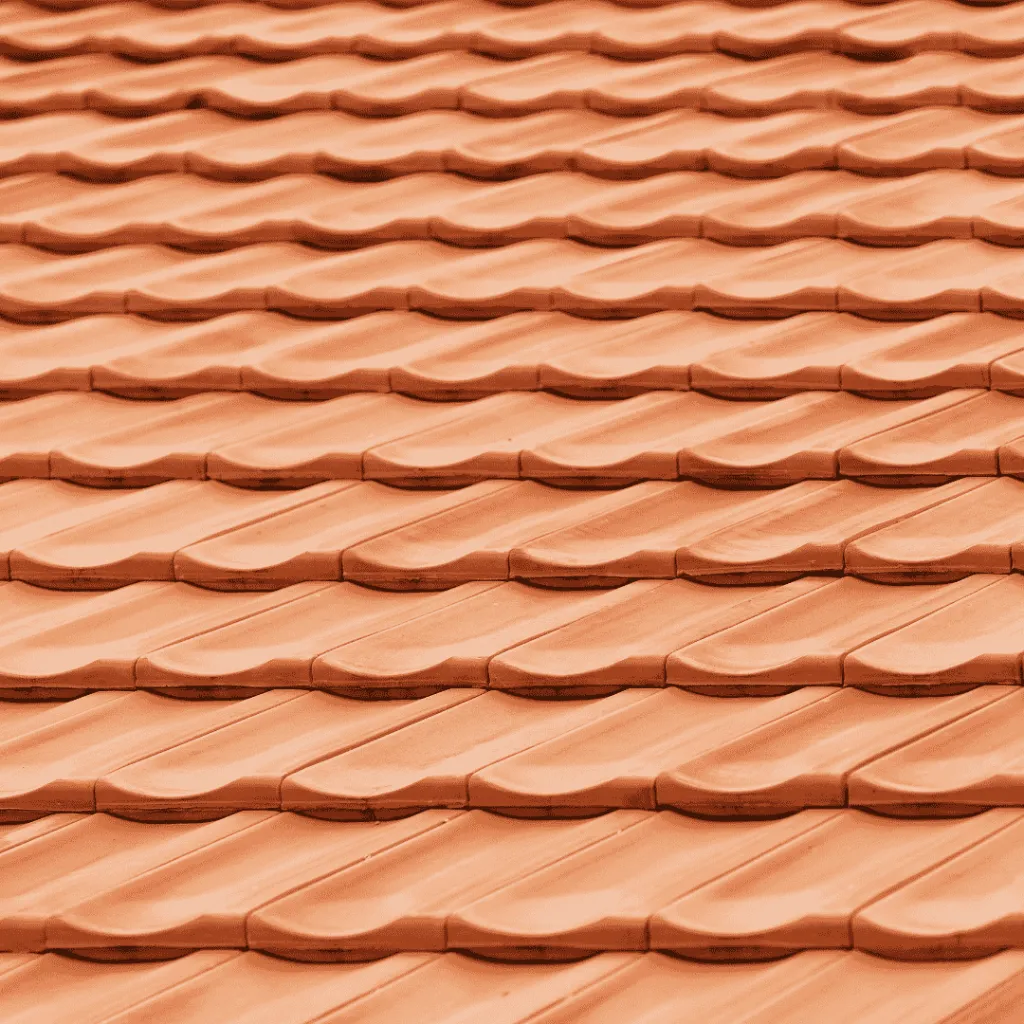
- Terracotta and porous roof tiles
- Internal and external surfaces
Not recommended for low-porosity, waterproof, metal or previously sealed surfaces.
Eco and User Friendly
ImperGuard is an environmentally responsible solution with ultra-low VOC levels (VOC < 1g/L), making it safer for both users and the environment. Its fully biodegradable formula is non-corrosive and non-flammable, and once dry, it is safe for use around plants and animals.
FAQs
ImperGuard is a penetrating water repellent sealer for masonry including brick, block, render and concrete walls. It creates a water-repellent molecular coating, keeps water out and can bridge hairline cracks up to 1.5mm. It is not a waterproofing membrane and is not suitable for tanking or immersion.
ImperGuard is designed to be breathable and will repel water from external surfaces, helping reduce moisture ingress. However, it is not a tanking membrane and will not stop water under pressure or rising damp from within a structure. In basement or below-ground situations, moisture may still pass through as vapour and condense if ventilation is poor.
ImperGuard does not contain siloxanes. It contains a unique blend of silanes, silicates and siliconates - providing water repellency plus mineral consolidation effects.
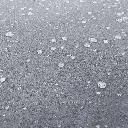
ImperGuard does not physically bridge cracks, but it produces a very strong beading effect that can stop water from getting into small hairline cracks up to approximately 1.5mm. For larger structural cracks, physical repair should be done first.
ImperGuard has a tested performance life of 5 years. It is generally specified on walls and low-traffic areas. For high-traffic floor surfaces, ProtectGuard is a better choice with up to a 10-year warranty.
No. It is not suitable for this application. ImperGuard is breathable. It stops liquid water, but freely allows water vapour to pass through. Rising damp will not get to the surface as a liquid, but will get through as vapour. If it then gets trapped under the flooring it can recondense and you have the same problem. A physical waterproofing membrane is recommended instead.
No. It creates a strong water-repellent surface that will prevent paint or coatings from adhering properly.
Yes. It can be used on external brick, render, and concrete surfaces to reduce water penetration. For best results, apply two coats in a wet-on-wet application from bottom to top. Do not attempt to apply another coat after the first has completely dried. It will not soak in and if left to dry on the surface there is a risk of permanent whitening.
Yes, if the existing sealer is still present or partially working. If the surface fully wets out when hosed, the old sealer has likely failed and the surface can be treated directly. If water still beads in areas, the existing coating should be removed first according to the manufacturer’s instructions.
Yes. It can be applied to footpaths and will not alter slip resistance. It repels water and water-based stains but does not protect against oils or grease.
No. It does not physically fill or bridge cracks. It works by creating a molecular water-repellent barrier that protects micro-pores and hairline cracks (typically up to around 1.5mm). It is not suitable for tanking or immersion situations.
PVC is generally non-porous, so ImperGuard is not typically suitable. In some cases, plastic-safe products like Rejuvenate may be considered, but manufacturer guidance should be followed for the specific cladding system.